
Introduction
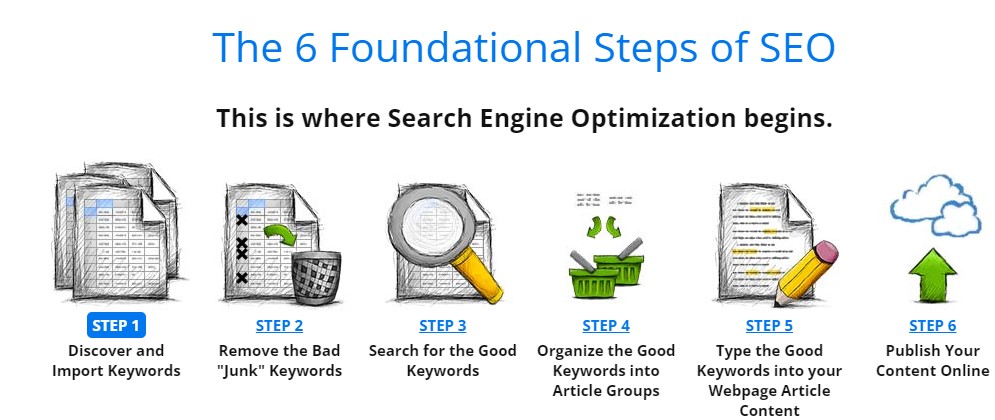
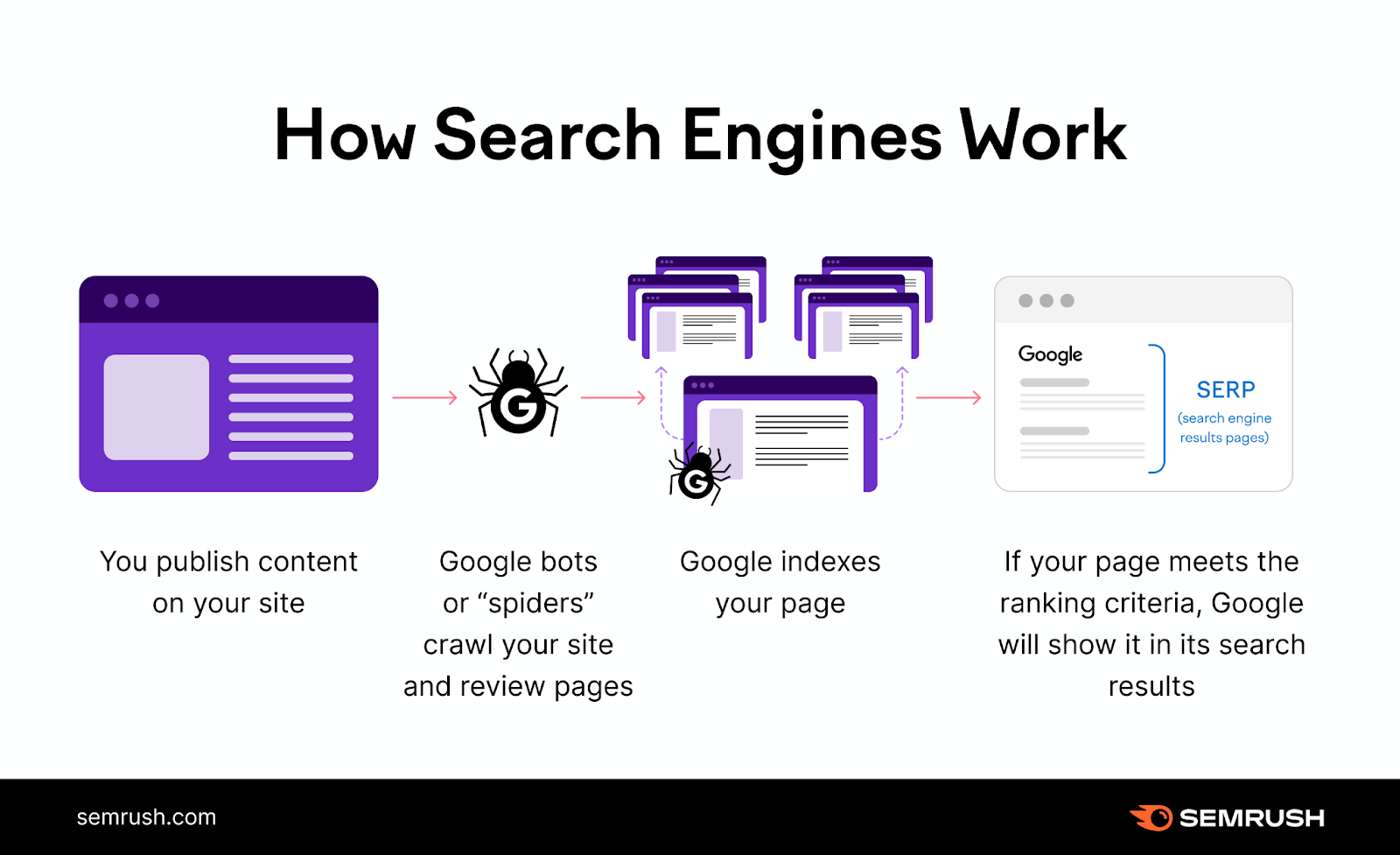
As a writer, it’s crucial to understand the concept of Search Engine Optimization (SEO) and its significance in article writing. SEO-optimized articles are specifically crafted for search engines to rank them higher in search results. This means that more people are likely to find and read your articles, increasing your website’s visibility and driving organic traffic.
Understanding SEO and Its Importance in Article Writing
SEO refers to the practice of optimizing your content so that search engines can easily find and rank it. When writing SEO-optimized articles, you need to consider various factors such as keyword research, on-page optimization, and backlink building.
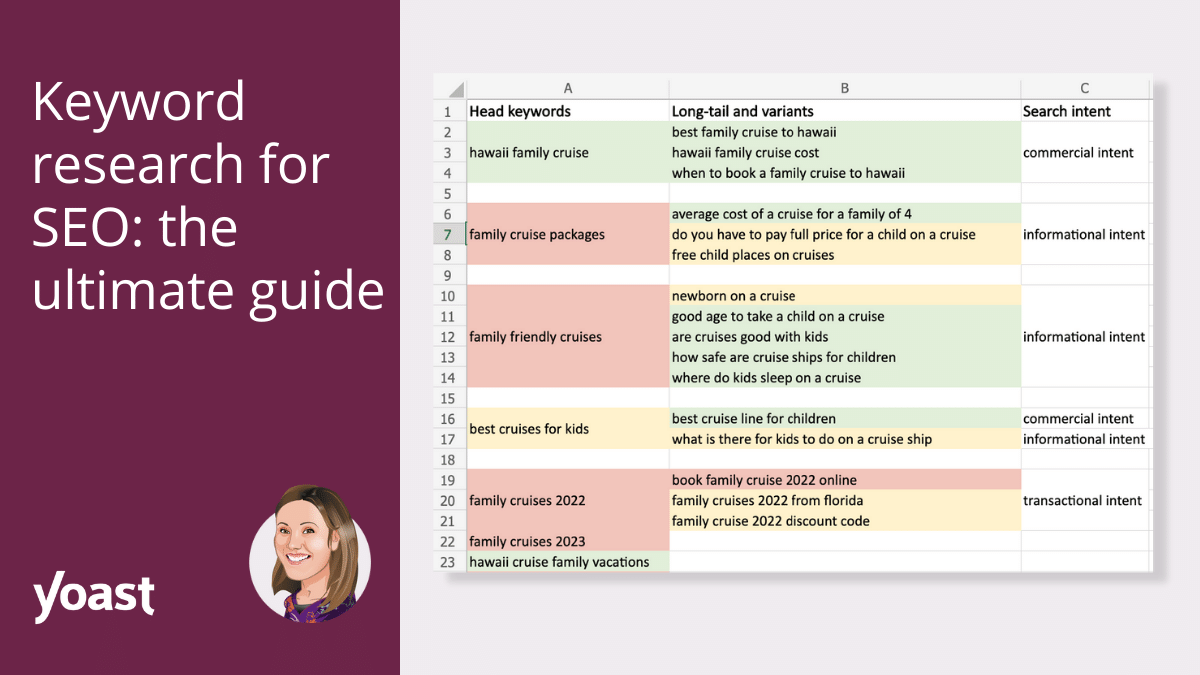
Keyword research involves identifying the words and phrases your target audience is using to search for information online. By incorporating these keywords strategically into your article, you increase the chances of attracting relevant readers.
On-page optimization refers to optimizing various elements on your webpage, such as the title tag, meta description, URL structure, and heading tags. These elements provide search engines with valuable information about your article’s content, helping them to index and rank it accurately.
Building backlinks, or getting other websites to link to your article, is another essential aspect of SEO. Backlinks act as “votes of confidence” for search engines, indicating that your content is valuable and trustworthy.
By understanding SEO and implementing it in your article writing, you can effectively increase your website’s visibility and drive more traffic to your content. In the following sections, we will dive deeper into each aspect of SEO-optimized article writing, giving you the ultimate guide to creating compelling and search engine-friendly content.
Researching Keywords
Identifying relevant keywords
One of the first steps in writing SEO-optimized articles is researching and identifying the most relevant keywords for your topic. This involves understanding what terms and phrases people are using to search for information related to your content. Start by brainstorming a list of keywords that are directly relevant to your topic and then expand that list by using tools such as Google Keyword Planner or Moz Keyword Explorer.
Using keyword research tools
Keyword research tools are invaluable when it comes to finding the best keywords for your articles. These tools can provide valuable insights into the search volume and competitiveness of different keywords. They can also suggest related keywords that you might not have considered. Take the time to explore these tools and use them to refine your keyword list, ensuring that you choose keywords that are not only relevant but also have a decent search volume.
Analyzing keyword competition
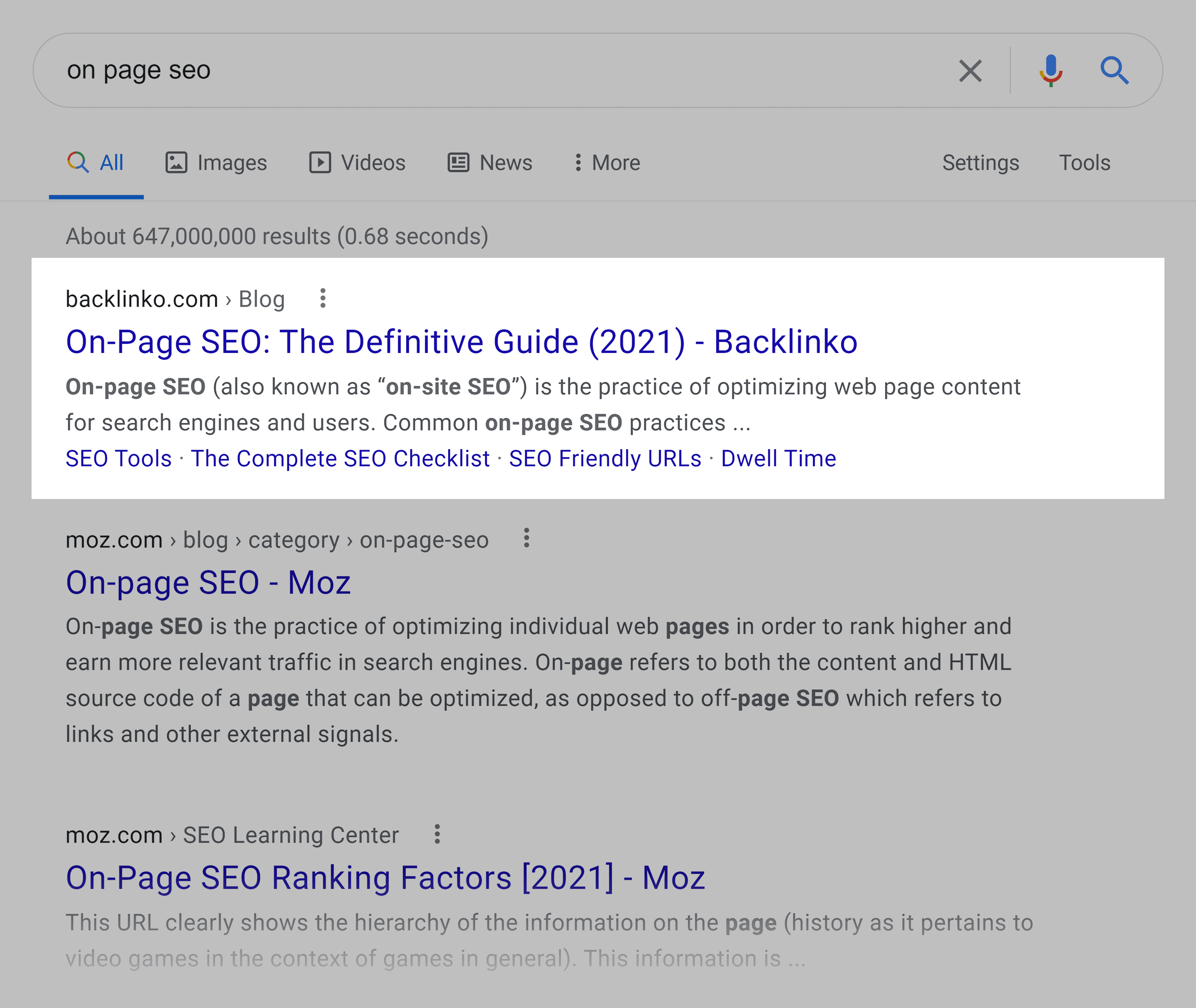
Understanding the competition for your chosen keywords is crucial. Analyze the search engine results pages (SERPs) for your keywords and see what type of content is ranking at the top. Consider factors like domain authority, page authority, and backlink profiles to assess the competition. If you find that the top results are dominated by high authority websites, it might be better to choose less competitive keywords to improve your chances of ranking higher.
By conducting thorough research on keywords, you will have a solid foundation to create SEO-optimized articles that will attract organic traffic to your website. Remember, relevant and well-researched keywords are the key to improving your content’s visibility in search engine results.
Structuring Your Article
Crafting an attention-grabbing headline
When it comes to writing SEO-optimized articles, the first step is to create a headline that entices readers while incorporating relevant keywords. A compelling headline not only catches the eye of potential readers but also helps search engines understand the main topic of your article.
Writing compelling introductions
A strong introduction sets the tone for the rest of your article and encourages readers to keep reading. Start with a hook that draws them in and clearly introduces the main topic. Additionally, make sure to include relevant keywords in the introduction to improve its SEO value.
Organizing your article with headings and subheadings
Properly organizing your article with headings and subheadings not only makes it easier for readers to navigate but also enhances its SEO optimization. Headings allow search engines to understand the structure of your content, making it easier for them to index and rank your article. Use relevant and descriptive headings that accurately reflect the content of each section.
By structuring your article effectively, you provide readers with a clear path to navigate through your content, and search engines with invaluable information to properly index and rank your article. The next time you sit down to write an SEO-optimized article, make sure you carefully consider the structure of your content, including crafting an attention-grabbing headline, writing compelling introductions, and organizing your article with headings and subheadings.

Writing Engaging Content
Creating quality and informative content
Writing SEO-optimized articles is not just about incorporating keywords; it’s also crucial to create quality and informative content that engages readers. Search engines prioritize articles that provide value and answer users’ queries effectively. To do this, I make sure to thoroughly research my topic and provide accurate, up-to-date information. By offering valuable insights and actionable tips, I can captivate my audience and encourage them to stay on my page longer.
Using natural language and avoiding keyword stuffing
While incorporating keywords is important for SEO, it’s essential to use them naturally within the article. Keyword stuffing, the excessive use of keywords, can negatively impact your site’s ranking. Instead, I focus on using keywords strategically and organically throughout my content. This way, the article flows smoothly and feels natural to readers while still satisfying search engine algorithms.
Incorporating relevant images and multimedia
To further enhance the engagement of my SEO-optimized articles, I incorporate relevant images and multimedia. Visual elements not only break up the text and make it more visually appealing, but they also help convey information more effectively. By including high-quality images, videos, or infographics, I can present complex concepts in a more understandable and engaging way, keeping readers interested and increasing the likelihood that they will share my content with others.
writing engaging SEO-optimized articles requires creating informative content, using keywords naturally, and incorporating relevant images and multimedia. By doing so, I can attract and retain readers while also improving my website’s visibility in search engine rankings.
Optimizing On-Page Elements
When it comes to writing SEO-optimized articles, optimizing on-page elements is a crucial step. By ensuring that your meta tags, URL, and internal and external links are optimized, you can enhance your article’s visibility in search engine results.
Optimizing meta tags (title, description)
The meta tags, including the title and description, play a significant role in improving the search engine optimization of your article. The title tag should accurately reflect the content, using relevant keywords and being concise, while the meta description should provide a compelling summary that entices users to click through to your article.
URL optimization
An optimized URL can have a positive impact on how search engines interpret and rank your article. It’s important to include relevant keywords in the URL structure, keeping it concise, descriptive, and easy to understand.
Adding relevant internal and external links
Including both internal and external links in your article can help improve its SEO value. Internal links connect your article to other relevant content within your website, improving navigation and providing users with additional resources. External links to reputable websites can also enhance trustworthiness and authority.
By optimizing these on-page elements, you can significantly improve the SEO performance of your articles and increase their visibility in search engine rankings. Remember to pay attention to meta tags, optimize your URL, and include relevant internal and external links to enhance your article’s visibility and user experience.
Formatting for Readability
When it comes to writing SEO-optimized articles, formatting plays a crucial role in enhancing the readability of your content. After all, what good is an excellent piece if readers find it difficult to navigate? In this section, I will discuss some effective formatting techniques you can use to make your articles more reader-friendly.
Using bullet points and numbered lists
Bullet points and numbered lists are fantastic tools for breaking down complex information into easy-to-digest chunks. By using these formatting options, you can organize your content, making it visually appealing and accessible. However, it is crucial not to overuse bullet points or numbered lists throughout your article, as it may make the text appear cluttered and difficult to read.
Breaking up text with paragraphs
Long, chunky paragraphs can overwhelm readers and discourage them from diving into your content. Instead, break up your text into smaller paragraphs that are more visually appealing and easier to digest. This simple formatting technique helps your readers navigate through your article effortlessly and encourages them to stay engaged.
Highlighting important information with bold and italics
Bold and italics are effective tools for emphasizing essential points within your article. By using these formatting options, you can draw your readers’ attention to specific details, making key information stand out. Be mindful not to overuse bold or italics; reserve them for highlighting only the most critical elements in your content.
Remember, ensuring the readability of your SEO-optimized articles is crucial for capturing and retaining your audience’s attention. By implementing these formatting techniques, you can create articles that are visually appealing, easy to navigate, and enjoyable to read.
Optimizing for Mobile
Ensuring responsive design
In today’s mobile-driven world, it is vital to optimize articles for mobile devices. One crucial aspect of mobile optimization is ensuring responsive design. This means that your article’s layout and formatting should seamlessly adapt to different screen sizes and orientations. By employing responsive design techniques, you can ensure that your content looks great on both smartphones and tablets, enhancing the user experience.
Optimizing page load speed
Mobile users are often on the go and have little patience for slow-loading websites. Thus, it is essential to optimize your article’s page load speed. This can be achieved by minimizing image file sizes, leveraging browser caching, and using a content delivery network (CDN). By implementing these techniques, you can improve the loading time for your mobile readers, increasing the chances of engagement and reducing bounce rates.
Creating mobile-friendly content
When writing SEO-optimized articles, it is vital to create mobile-friendly content. You should format your text into shorter paragraphs and use subheadings to break up the content. Additionally, make use of bullet points and numbered lists to present information more effectively. By making your content easier to read and navigate on mobile devices, you can keep your audience engaged and encourage them to spend more time on your site.
With the increasing popularity of mobile browsing, optimizing your articles for these devices is crucial. By ensuring responsive design, optimizing page load speed, and creating mobile-friendly content, you can cater to the needs and preferences of your mobile readers, providing them with a seamless and enjoyable browsing experience.
Conclusion
Throughout this guide, I have provided you with all the necessary information to write SEO-optimized articles. By now, you should have a clear understanding of the importance of incorporating SEO techniques into your content strategy.
Recap of the importance of SEO-optimized articles
SEO-optimized articles play a crucial role in increasing the visibility and reach of your content. By targeting specific keywords and implementing on-page optimization strategies, you can improve your website’s search engine rankings and attract more organic traffic. This, in turn, can lead to higher conversions, increased engagement, and ultimately, business growth.
Final thoughts on achieving higher visibility and engagement
While it’s important to focus on SEO techniques, don’t forget about the overall quality and relevance of your content. Combining engaging and valuable information with SEO optimization will create a powerful combination that can drive higher visibility and engagement.
Remember to conduct keyword research to identify the words and phrases your target audience is searching for. Craft compelling headlines, write informative and well-structured articles, and optimize your content for both search engines and readers. Regularly updating and promoting your articles will also contribute to maintaining and improving your website’s search engine rankings.
By following the strategies and tips outlined in this guide, you are well on your way to creating SEO-optimized articles that will help your website stand out and attract more visitors. So what are you waiting for? Start applying these techniques and see the difference they can make for your online presence.