Looking to start a blog in 2024 but not sure where to begin? Look no further! This step-by-step guide has got you covered. Perfect for beginners, this guide provides clear instructions, complete with pictures and videos, to help you navigate the exciting world of blogging. Whether you want to share your stories, make money from home, gain recognition, or find a community, starting a blog can help make those dreams a reality. Discover the importance of passion in blogging, learn how to choose the perfect blog topic and name, and explore the benefits of using a personal perspective or a specific hobby as your foundation. With tips on customizing your blog design, writing and publishing your first post, promoting your blog, and even monetizing it, this guide leaves no stone unturned. Plus, with the recommendations for reputable hosting services like BlueHost and a 30-day money-back guarantee, you can be confident in embarking on your blogging journey. So, what are you waiting for? Let’s dive in and get your blog up and running!
Step 1: Choosing a Blog Name
Consider Your Interests and Passions
When choosing a blog name, the first thing to consider is your interests and passions. Think about what you love to do or what you are knowledgeable about. Your blog should reflect your passion and allow you to share your expertise with others.
Choose a Unique and Memorable Name
Once you have identified your interests and passions, it’s time to brainstorm unique and memorable blog name ideas. Your blog name should stand out from the crowd and be easy to remember. It should also align with your blog’s content and resonate with your target audience.
Get Feedback from Others
After coming up with a few potential blog names, it’s a good idea to seek feedback from others. Share your ideas with friends, family, or even online communities to get their input. They can offer valuable insights and help you choose the best name for your blog.
Step 2: Getting the Blog Online
Sign Up for a Web Hosting Service
To get your blog online, you’ll need to sign up for a web hosting service. Web hosting allows your blog to be accessible on the internet. There are many web hosting providers available, but one reliable option is BlueHost. They offer affordable hosting plans with excellent customer support.
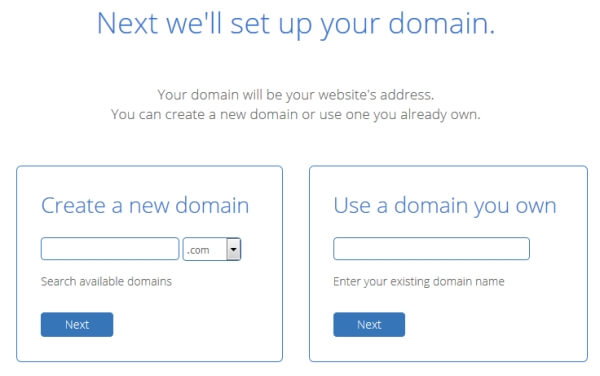
Choose a Domain Name
Next, you’ll need to choose a domain name for your blog. A domain name is the web address that people will use to visit your blog (e.g., www.yourblogname.com). It’s important to choose a domain name that is easy to remember, relevant to your blog’s content, and preferably with the .com extension.
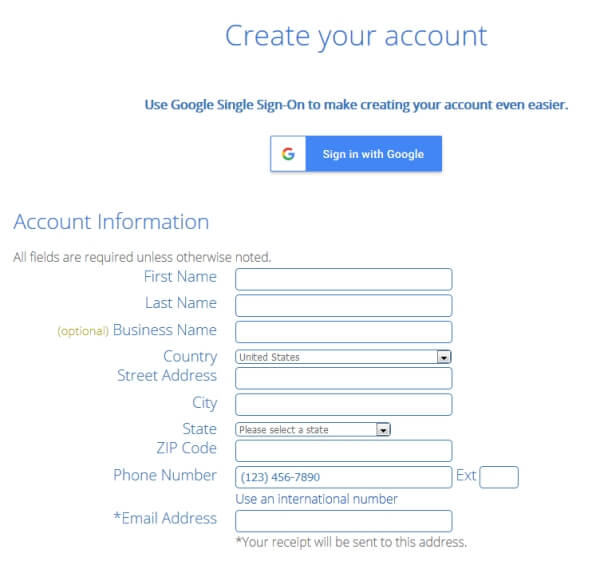
Purchase the Domain and Hosting Package
Once you have chosen a domain name, you can purchase it along with a hosting package from BlueHost. They offer bundled packages that include both domain registration and hosting services. This makes it convenient and straightforward to get your blog up and running.
Install WordPress
WordPress is a popular and user-friendly blogging software that allows you to manage and customize your blog easily. Most web hosting services, including BlueHost, offer a one-click WordPress installation. Follow the instructions provided by your hosting provider to install WordPress on your domain.
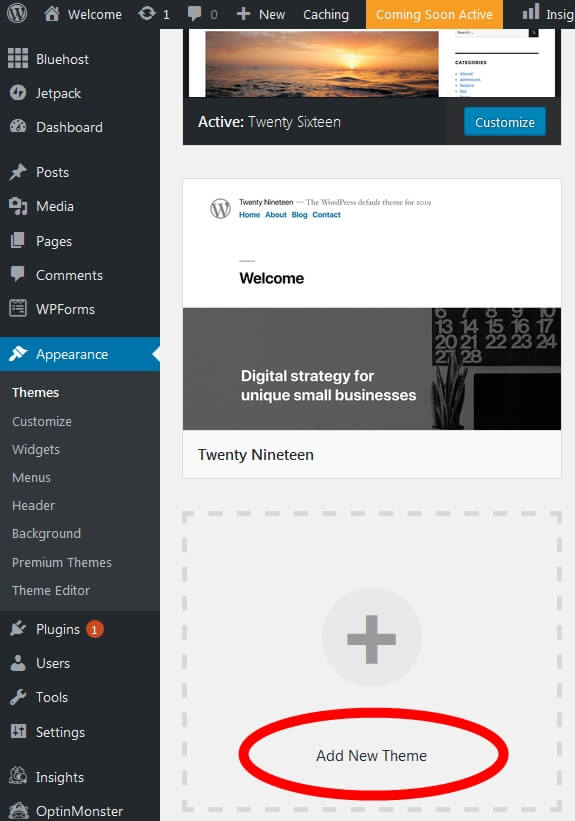
Step 3: Customizing the Blog Design
Select a Theme
With WordPress installed, it’s time to choose a theme for your blog. Themes determine the overall design and layout of your blog. There are thousands of free and premium themes available in the WordPress theme directory and third-party websites. Choose a theme that aligns with your blog’s content and appeals to your target audience.
Customize the Theme
Once you have selected a theme, you can customize it to make your blog truly unique. Customize the colors, fonts, and layout to match your branding or personal preferences. WordPress offers a user-friendly customization interface that allows you to make changes without any coding knowledge.
Add Widgets and Plugins
Widgets and plugins are essential tools that enhance the functionality and user experience of your blog. Widgets are small blocks of content that you can add to the sidebars or other widget-enabled areas of your blog. Plugins are software add-ons that extend the features and capabilities of your WordPress site. Explore the wide range of widgets and plugins available to add useful functionalities to your blog.
Step 4: Writing and Publishing the First Post
Decide on a Content Strategy
Before you start writing your first blog post, it’s important to have a content strategy in place. Determine the purpose of your blog and the topics you want to cover. Consider your target audience and what they would be interested in reading. Planning your content strategy will help you maintain consistency and attract the right readers to your blog.
Choose a Blog Post Topic
Selecting a topic for your first blog post can be exciting but also overwhelming. Start by brainstorming ideas related to your blog’s niche. Consider what information or insights you can provide that would be valuable to your readers. Choose a topic that you are passionate about and confident in sharing your knowledge.
Outline and Write the Blog Post
Once you have chosen your blog post topic, create an outline to organize your thoughts and structure your content. An outline will help you stay focused and ensure that your post flows logically. Start writing your blog post, keeping in mind your target audience and the purpose of your blog.
Edit and Proofread
After writing your blog post, it’s crucial to edit and proofread it before publishing. Check for grammar and spelling errors, and ensure that your writing is clear and concise. You may also want to read it aloud or have someone else review it for feedback. Editing and proofreading will help you maintain a professional and polished blog.
Add Visuals
Visuals such as images, infographics, or videos can enhance the readability and engagement of your blog post. Choose visuals that are relevant to your content and visually appealing. Make sure to optimize the file size and format for web use to ensure fast loading times.
Publish the Post
Once you are satisfied with your blog post, it’s time to publish it. In WordPress, you can easily publish your post by clicking the “Publish” button. After publishing, take the time to promote your blog post to attract readers and generate interest in your content.
Step 5: Promoting the Blog
Utilize Social Media Platforms
Social media platforms are powerful tools for promoting your blog and connecting with your target audience. Create accounts on popular platforms such as Facebook, Twitter, Instagram, or LinkedIn, depending on your niche. Share your blog posts, engage with your followers, and participate in relevant conversations to increase your blog’s visibility.
Engage in Guest Blogging
Guest blogging involves writing and publishing articles on other blogs in your niche. It allows you to expand your reach and tap into existing audiences. Look for reputable blogs that accept guest posts and reach out to them with your ideas. Guest blogging can help you establish yourself as an authority in your field and drive traffic back to your blog.
Participate in Blog Commenting
Commenting on other blogs in your niche is another effective way to promote your blog. Leave thoughtful and insightful comments on relevant blog posts, showcasing your expertise and adding value to the discussion. Include a link to your blog in your comment’s website field. This can drive traffic to your blog and encourage others to visit and engage with your content.
Collaborate with Other Bloggers
Collaborating with other bloggers can be mutually beneficial. Consider partnering with influencers or bloggers in your niche for joint projects, such as guest posting, interviews, or giveaways. Collaborations can help you tap into new audiences and build meaningful relationships within your blogging community.
Step 6: Monetizing the Blog
Join an Advertising Network
Advertising networks allow you to display ads on your blog and earn revenue based on clicks or impressions. Popular advertising networks include Google AdSense and Media.net. Sign up for an account, place the provided ad codes on your blog, and start earning money from your blog’s traffic.
Affiliate Marketing
Affiliate marketing involves promoting other people’s products or services and earning a commission for each sale or referral generated through your blog. Join affiliate programs related to your blog’s niche and incorporate affiliate links into your content. Be sure to disclose your affiliate relationships to comply with regulations and maintain trust with your audience.
Create and Sell Digital Products
If you have special expertise or knowledge in a particular area, consider creating and selling digital products such as e-books, courses, or templates. Digital products can be a lucrative way to monetize your blog and provide value to your readers. Use platforms like Gumroad or Teachable to host and sell your digital products.
Offer Sponsored Posts
Sponsored posts involve partnering with brands or companies to create content that promotes their products or services. Brands may pay you to write a blog post featuring their products or collaborate on social media campaigns. When considering sponsored posts, ensure that they align with your blog’s niche and values to maintain authenticity with your audience.
Offer Services or Consulting
If you have specialized skills or knowledge, consider offering services or consulting related to your blog’s niche. This can include freelance writing, graphic design, coaching, or virtual assistance. Promote your services on your blog and showcase your expertise to attract clients who value your skills.
Benefits of Starting a Blog
Sharing Stories and Experiences
One of the main benefits of starting a blog is the opportunity to share your stories and experiences with others. Blogging allows you to express yourself and connect with readers who can relate to your journey. You can inspire and motivate others, offer advice, or simply entertain through your writing.
Making Money from Home
Another significant benefit of blogging is the potential to make money from the comfort of your own home. While monetizing a blog takes time and effort, it can provide a passive income stream once established. Through various monetization methods, such as advertisements, affiliate marketing, or selling digital products, you can turn your blog into a profitable venture.
Building an Online Community
Blogging creates a platform where you can build an online community of like-minded individuals. Your blog can attract readers who share the same interests or are seeking information on specific topics. Through engagement, comments, and social media interactions, you can foster a supportive and engaged community that adds value to your blog.
Gaining Recognition and Authority
Starting a blog allows you to establish yourself as an expert and gain recognition in your chosen niche. Consistently creating high-quality content and providing valuable insights can position you as an authority in your field. Recognition and authority can open doors to collaborations, speaking opportunities, or even career advancements.
What is a Blog?
Direct Connection and Interaction with Readers
Unlike traditional forms of media, a blog offers a direct connection between the author and readers. Blogging allows for immediate interaction through comments, social media, or email. This direct connection fosters engagement, builds relationships, and creates a sense of community around your blog.
Platform for Creative Expression and Personal Branding
A blog provides a platform for creative expression and personal branding. Through your blog, you can showcase your unique voice, writing style, and personality. Your blog becomes an extension of yourself and allows you to build a personal brand that reflects your values and interests.
Tips for Choosing a Blog Topic and Name
Choose a Personal Perspective or Passion
Choose a blog topic that you are personally interested in and passionate about. Writing about something you genuinely care about will make it easier to stay motivated and consistently create content. Your passion and enthusiasm will also shine through in your writing, attracting like-minded readers.
Focus on a Specific Hobby or Interest
Narrowing down your blog topic to focus on a specific hobby or interest can attract a dedicated and engaged audience. Instead of trying to cover a wide range of subjects, choose a niche that allows you to explore your passion in-depth. This specialization can differentiate your blog from others and make it stand out.
Consider SEO and Market Demand
While it’s important to write about what you love, considering SEO and market demand can increase your blog’s visibility and reach. Conduct keyword research to identify popular topics within your niche and optimize your content accordingly. Balancing your passion with topics that have search demand can help you attract a wider audience.
Use a Name that Reflects Your Purpose
When choosing a blog name, select one that reflects your purpose and resonates with your target audience. The name should be catchy, memorable, and give readers a glimpse of what your blog is about. It’s also recommended to opt for a .com domain extension, as it is the most widely recognized and trusted.
Conclusion
Starting a blog can be an exciting journey filled with opportunities for self-expression, community-building, and even financial rewards. By following the steps outlined in this comprehensive guide, you can create a successful blog that reflects your passions, engages readers, and helps you achieve your blogging goals.
When it comes to web hosting, BlueHost stands out as a reliable option. They offer affordable hosting plans, excellent customer support, and a user-friendly platform. Additionally, BlueHost provides a 30-day money-back guarantee, ensuring your satisfaction with their services.
So, what are you waiting for? Take the first step in starting your blog today and see where your passion and dedication can take you!