Have you ever struggled with coming up with fresh and engaging content for your website or blog? It’s a common challenge for many content creators, but fear not! I’m here to introduce you to the solution: the best AI content writer. This powerful tool harnesses the capabilities of artificial intelligence to generate high-quality, customized content for your specific needs.
With the best AI content writer, you can say goodbye to writer’s block and brainstorming sessions that lead nowhere. This intelligent software has been trained on vast amounts of data, allowing it to understand the nuances of different topics and produce well-written articles, blog posts, and even social media captions. It can adapt its writing style to match your desired tone and voice, ensuring that the content it generates aligns perfectly with your brand.
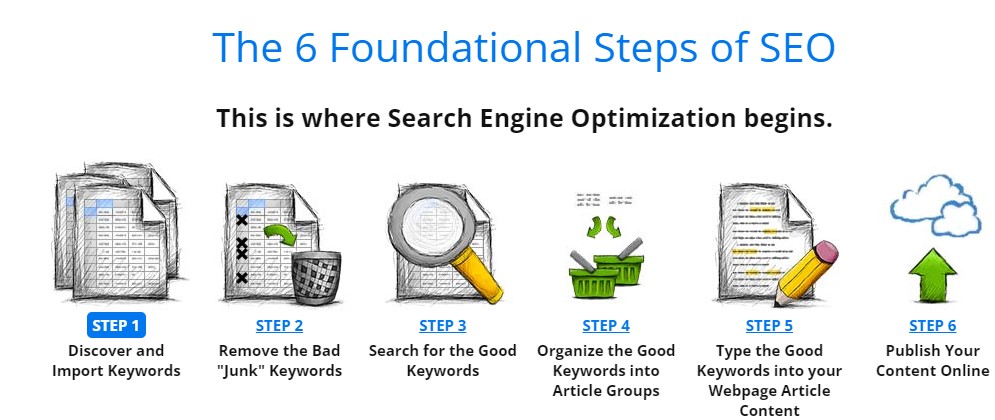
Not only does the best AI content writer save you time and effort, but it also produces content that is optimized for search engines. It understands the importance of keywords and incorporates them seamlessly into the text, helping improve your website’s visibility and driving more traffic to your page. Additionally, it can analyze data and insights to create data-driven content that resonates with your target audience.
In the upcoming article, we will delve even deeper into the capabilities and benefits of the best AI content writer. From its ability to generate content on a wide range of topics to its efficiency in proofreading and editing, you’ll discover how this tool can revolutionize your content creation process. So, stay tuned and get ready to unleash the power of the best AI content writer!
Defining the Best AI Content Writer
Understanding the concept of AI content writing
Artificial Intelligence (AI) has revolutionized various industries, and content writing is no exception. The concept of AI content writing refers to the use of advanced algorithms and machine learning techniques to generate high-quality, engaging, and relevant content. AI has the ability to analyze vast amounts of data, understand language patterns, and mimic human writing styles to create content that is virtually indistinguishable from that of a human writer.
Exploring the capabilities of AI in generating content
The best AI content writer possesses a wide range of capabilities that make it a powerful tool for businesses and content creators. AI algorithms can generate content at scale, producing large volumes of articles, blog posts, and social media content within minutes. They can also adapt to different writing styles, ensuring that the content aligns with the brand voice and values of the organization. AI content writers can generate content on a wide range of topics, making them versatile and suitable for various industries and niches.
Benefits of Using the Best AI Content Writer
Time and cost efficiency
One of the key benefits of using the best AI content writer is the significant time and cost savings it offers. AI algorithms can produce content at an incredible speed, reducing the time needed for content creation. This means that businesses can generate a higher volume of content in a shorter time frame, enabling them to keep up with the demands of their audience and market. Additionally, AI content writers eliminate the need to hire and train human writers, saving businesses the cost of salaries and resources associated with content creation.
Improved accuracy and quality
AI content writers are designed to generate content that is accurate, error-free, and of high quality. Unlike human writers who may make spelling and grammatical mistakes, AI algorithms consistently produce flawless content. This improves the overall quality and professionalism of the content, enhancing the brand image and credibility. AI content writers also have the ability to conduct in-depth research and analyze data to provide accurate and up-to-date information to readers.
Enhanced creativity and innovation
Contrary to popular belief, AI content writers do not replace human creativity; instead, they enhance it. The best AI content writers can generate unique and creative ideas that may not have been thought of by human writers. By analyzing patterns and trends in the data, AI algorithms can identify content gaps and generate innovative ideas that resonate with the target audience. This creates an opportunity for businesses to stay ahead of their competitors and produce content that is fresh, engaging, and relevant.

Applications of the Best AI Content Writer
AI-generated blog posts and articles
AI content writers are capable of generating blog posts and articles on a wide range of topics. They can produce content that is informative, engaging, and optimized for search engines. Whether it’s a how-to guide, a product review, or an industry analysis, AI algorithms can generate content that meets the specific requirements of businesses and their target audience. This enables businesses to consistently produce high-quality content that drives traffic, increases brand visibility, and engages readers.
AI-authored social media content
Social media plays a crucial role in marketing and brand building. However, consistently producing engaging social media content can be time-consuming and challenging. The best AI content writers can generate social media posts that are concise, attention-grabbing, and tailored to different platforms. They can analyze the target audience’s preferences, create catchy headlines, and even suggest relevant hashtags. This helps businesses maintain an active social media presence and effectively communicate with their audience.
AI-driven product descriptions
Product descriptions are an essential part of e-commerce. They provide potential customers with information about the product, its features, and benefits. The best AI content writers can generate persuasive and compelling product descriptions that entice customers to make a purchase. AI algorithms can analyze customer reviews, product specifications, and market trends to create descriptions that highlight the unique selling points of the product. This saves businesses the time and effort of manually writing product descriptions while ensuring they are effective in driving sales.
Challenges and Limitations of AI Content Writing
Language and cultural nuances
While AI content writers are highly advanced, they still face challenges when it comes to understanding language nuances and cultural references. AI algorithms may struggle to grasp the subtle differences in meaning or connotation in different languages or dialects. Cultural references, humor, and idiomatic expressions can also be challenging for AI algorithms to interpret accurately. To overcome this limitation, human writers can collaborate with AI content writers to provide context and ensure that content is culturally sensitive and relevant.
Ensuring ethical and legal compliance
AI content writers must adhere to ethical and legal standards when generating content. Plagiarism, copyright infringement, and the use of hate speech or offensive language are serious concerns. While AI algorithms can scan and analyze existing content to avoid plagiarism, they may unintentionally produce content that violates ethical or legal guidelines. Human oversight and review are necessary to ensure that content generated by AI algorithms is ethical, compliant, and aligns with the organization’s values and standards.
Maintaining human touch in content
One potential limitation of AI content writing is the challenge of maintaining a human touch in the content. While AI algorithms can mimic human writing styles, they may lack the empathy, emotion, and personal touch that human writers can bring to their work. Content that resonates with the audience on a deeper level often requires a human touch. To overcome this limitation, businesses can incorporate the expertise and insights of human writers alongside AI-generated content, ensuring a balance between automation and personalized content.

Choosing the Right AI Content Writing Tool
Identifying specific content needs
Before selecting an AI content writing tool, it’s essential to identify specific content needs and goals. Consider the type of content required, the target audience, and the desired outcomes. Different AI tools may specialize in specific types of content, such as blog posts, social media copy, or product descriptions. By understanding the specific requirements, businesses can choose a tool that best aligns with their content strategy and objectives.
Researching and comparing available tools
The market for AI content writing tools is rapidly growing, with several options available. It’s important to research and compare different tools to find the best fit. Consider factors such as the accuracy and quality of the generated content, the ease of use of the tool, the level of customization and personalization available, and the affordability of the tool. Reading reviews, seeking recommendations from industry peers, and conducting trials or demos can help in making an informed decision.
Considering user-friendliness and customer support
User-friendliness is a crucial aspect when choosing an AI content writing tool. The tool should be intuitive and easy to navigate, allowing users to efficiently generate content without extensive training or technical knowledge. Additionally, considering the level of customer support provided by the tool’s developers is important. Timely assistance and support can be vital in troubleshooting issues and maximizing the value of the tool.
Best Practices for Harnessing the Power of AI Content Writing
Aligning AI-generated content with brand voice and values
To ensure consistency and maintain the brand’s image, it’s crucial to align AI-generated content with the brand voice and values. Define the brand’s tone, style, and key messaging to guide the AI content writer in generating content that accurately represents the brand. Regularly review and refine the AI content generation process to ensure that the content aligns with the organization’s goals and values.
Implementing a review and editing process
While AI content writers strive for accuracy, human review and editing are essential to ensure the highest quality and relevance. Set up a review and editing process to review AI-generated content before publication. This process can help catch any inaccuracies, ensure proper grammar and spelling, and make any necessary adjustments to align the content with specific requirements or preferences.
Continuously optimizing AI content generation
Optimization is key to maximizing the value of AI content writing. Continuously monitor the performance of the AI content writer and identify areas for improvement. Regularly analyze metrics such as engagement, conversion rates, and customer feedback to refine the AI-generated content and align it with the evolving needs of the audience. This iterative approach helps businesses stay ahead and drive better results from AI-generated content.
Implications for Content Writers and Marketers
Evolution of the content creation role
The rise of AI content writing does not render human writers obsolete; instead, it reshapes their role. Content writers will increasingly focus on higher-level tasks such as strategy development, ideation, and creative storytelling. They will collaborate with AI content writers, leveraging their unique insights and expertise to create content that resonates with the target audience.
Collaboration between AI and human writers
The best AI content writers work in collaboration with human writers to create optimal content. Human writers can provide context, input, and emotion to the content generated by AI algorithms, ensuring that it connects with readers on a personal level. The symbiotic relationship between AI and human writers enables organizations to harness the power of technology while also maintaining a human touch in their content.
Providing added value through strategic content planning
AI content writing empowers content writers and marketers to focus on strategic content planning. By leveraging AI-generated content for routine tasks, content creators can invest more time in developing comprehensive content strategies, conducting research, and analyzing data. This strategic approach enables businesses to deliver valuable content that addresses the needs and preferences of the target audience.
Real-Life Success Stories of AI Content Writing
Case study: Company X’s use of AI to boost content production
Company X, a leading e-commerce retailer, implemented an AI content writing tool to address the growing demand for product descriptions. Their AI content writer generated accurate and persuasive product descriptions, resulting in a significant increase in conversion rates. With the ability to generate descriptions for thousands of products in a short time, Company X experienced significant time and cost savings while providing an enhanced shopping experience for their customers.
Testimonials from businesses embracing AI content writing
Multiple businesses across industries have embraced AI content writing and experienced positive results. Testimonials highlight the efficiency, accuracy, and scalability of AI-generated content. Companies have reported improved search engine rankings, increased website traffic, and higher engagement levels with the audience. AI content writing has allowed businesses to produce more content, engage customers on multiple platforms, and maintain a consistent content output.

Ethical Considerations in AI Content Writing
The responsibility of content creators and users
Content creators and users have a shared responsibility to use AI content writing ethically. This involves ensuring that the generated content is accurate, relevant, and compliant with ethical standards and legal requirements. Content creators should critically review and verify the AI-generated content before publishing. Users should also be aware of the limitations of AI-generated content and exercise caution when interpreting and sharing such content.
Ensuring transparency and disclosure
Transparency is crucial in AI content writing. Businesses and content creators should clearly disclose when AI algorithms generate content. This establishes trust with the audience and allows them to understand the origin and nature of the content. Proper disclosure also helps to address any potential concerns or skepticism related to the use of AI in content creation.
Addressing potential biases and prejudices
AI algorithms can inadvertently replicate biases and prejudices present in the data they are trained on. Content creators and businesses must be aware of this risk and actively work to address and mitigate biases. Regularly auditing and monitoring the AI content writing process can identify potential biases and enable improvements to ensure fairness and inclusivity in the generated content.
Conclusion
The future of AI content writing is promising and holds immense potential for businesses and content creators. The best AI content writer offers numerous benefits, including time and cost efficiency, improved accuracy and quality, and enhanced creativity and innovation. It can be applied to various content needs, such as blog posts, social media content, and product descriptions.
While there are challenges and limitations to AI content writing, such as language nuances and maintaining a human touch, these can be overcome through collaboration between AI and human writers. By choosing the right AI content writing tool and implementing best practices, businesses can harness the power of AI to unlock new possibilities in content creation.
Ethical considerations, transparency, and addressing biases are essential in the use of AI content writing. Content creators and users have a shared responsibility to ensure the ethical and compliant use of AI-generated content.
In conclusion, embracing AI content writing is crucial for businesses and content creators to stay competitive in the digital age. By leveraging the power of AI, organizations can streamline their content creation processes, improve productivity, and deliver high-quality content that engages and captivates their audience. The future of content writing lies in the seamless collaboration between AI and human writers, unlocking new realms of creativity and innovation.